
Related
South Summit 2024: Pitching Konfigear at La Nave
Yassine Ait Oufkir at South Summit 2024 in Madrid — pitching Konfigear on the Start in Asturias stage, and three days on the Asturias Startup...
Popular topics
04 min reading in—Industrial 3D3D Configuration
Before I wrote software, I laid out an aeronautics plant in virtual reality. The most valuable thing it produced was not a better factory — it was better arguments.
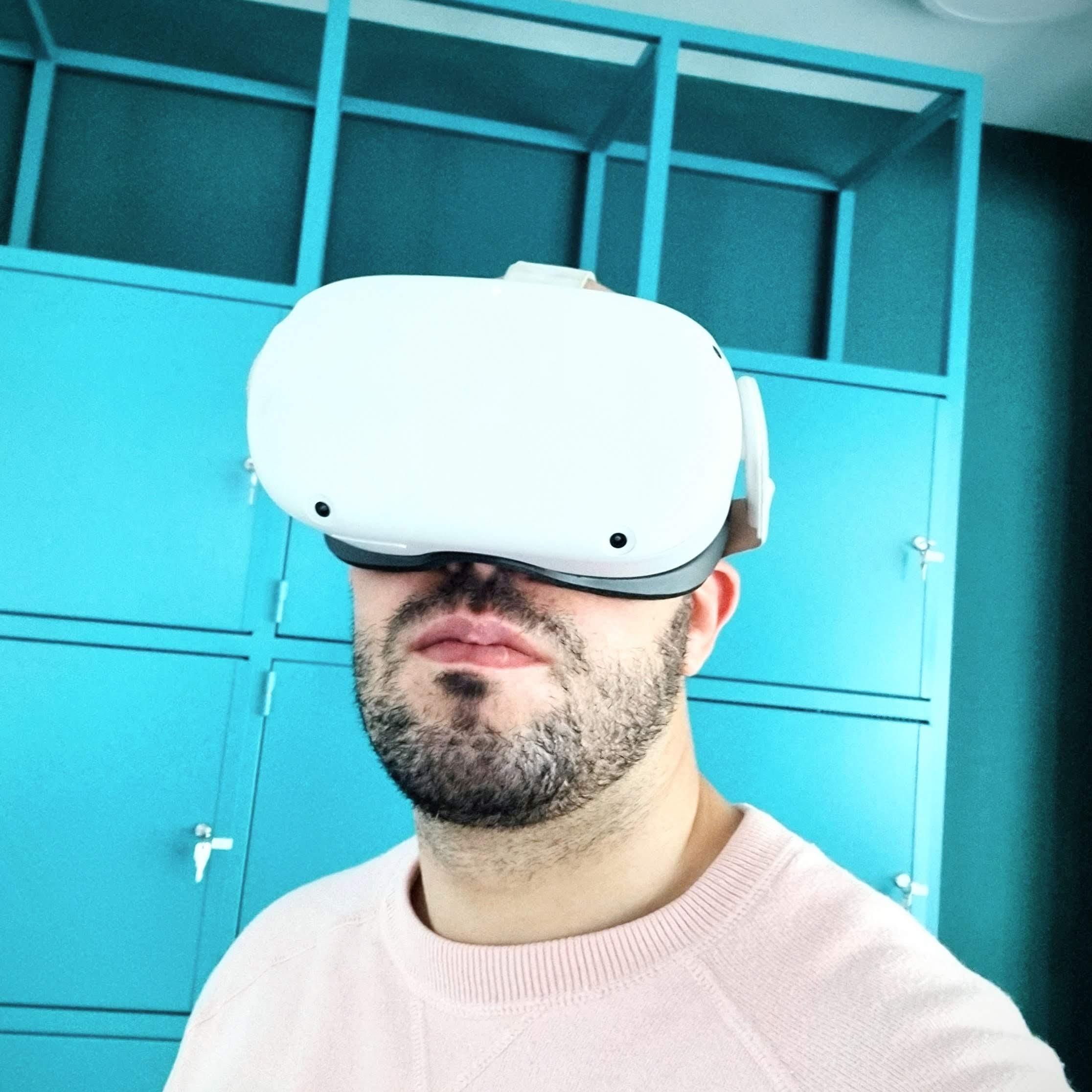
Before I wrote a line of software, I designed factories.
At DAHER I worked on the layout of a 14,000 m² aeronautics plant. Not on paper — in virtual reality, with full 3D simulation. We put on headsets and walked the production lines before the ground was broken. We watched parts move between stations. We found the aisle that was too narrow for the transport we had specified, and the workstation where an operator would have been reaching across a moving line every ninety seconds.
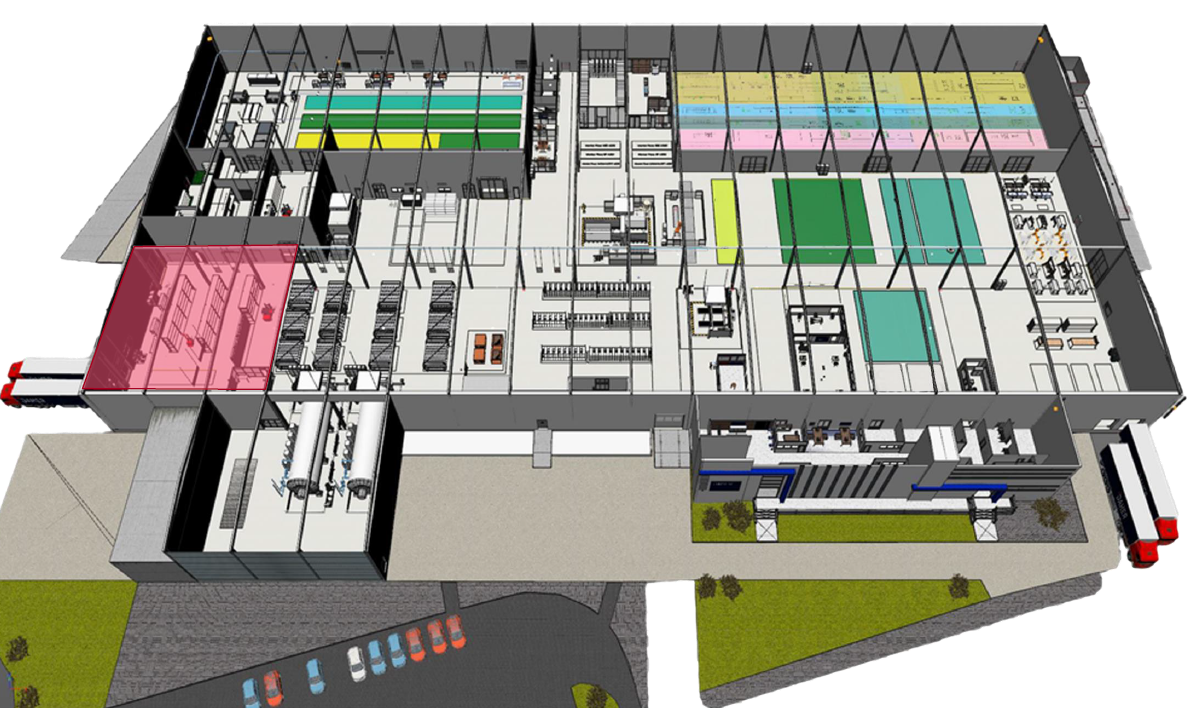
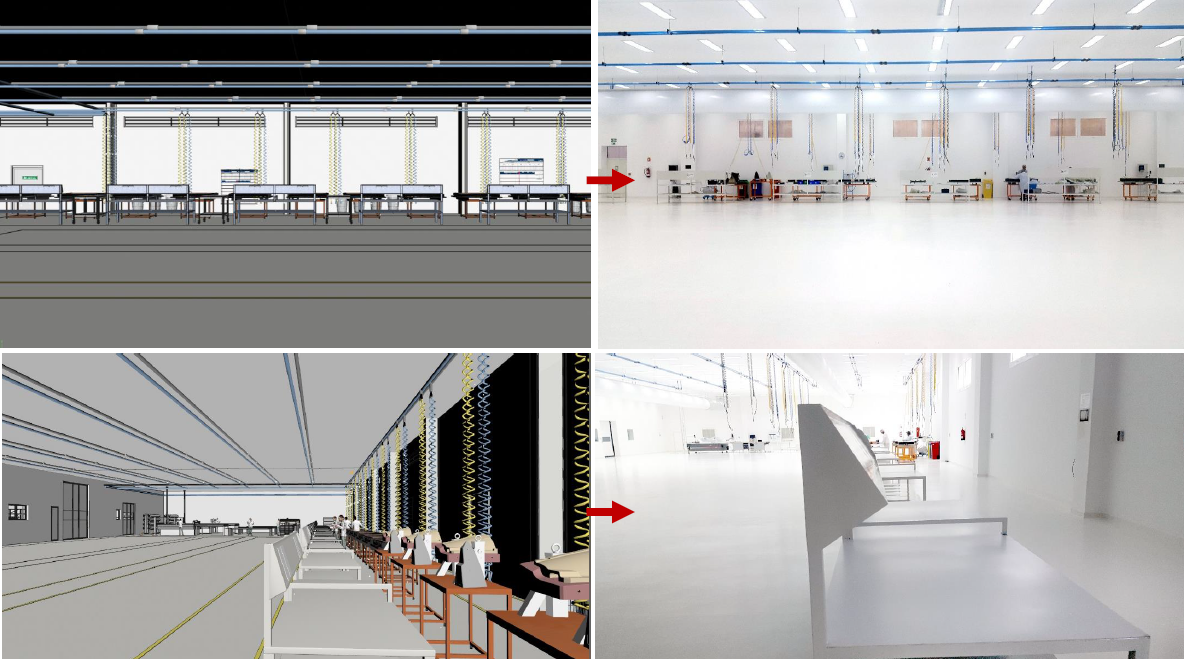
All of it before a single wall went up.
VR was the novelty, and the novelty wore off in about a week. What did not wear off was what it did to the meetings.
Before, a layout review was a group of experienced people arguing over a 2D drawing. The production manager had one picture in his head. The safety officer had a different one. The industrial engineer had a third. Everyone was fluent in reading plans, and everyone was still reading a slightly different building.
After, we were all standing in the same room. Not metaphorically — the same simulated room, at the same scale, looking at the same aisle. The argument stopped being about whose mental model was right and started being about what to do. That is a categorically different conversation, and it is faster by an order of magnitude.
The value was not visualization. The value was shared reference.
Years later I was looking at eCommerce product pages for configurable goods — modular furniture, industrial profiles, custom uniforms — and it was the same failure in a different costume.
A customer wants a sofa in a specific fabric, in a specific configuration, for a specific wall. The website offers eight swatch thumbnails and a photo of a different sofa. The customer builds a picture in their head. The manufacturer has a different picture. Nobody finds out they disagreed until the thing arrives in a box.
That gap has a name in retail: returns. In B2B it shows up as quote revisions, sample rounds, and deals that quietly stall because the buyer is not confident enough to sign.
I had spent years watching that exact gap get closed on a factory floor. It seemed obvious that the same tooling belonged on the buying side.
That is why I founded Konfigear in 2019.
Not everything from industrial simulation is useful in commerce. Three things are.
Scale and constraint have to be real. A factory simulation that ignores turning radii is worse than no simulation, because it produces confident wrong answers. The same is true of a product configurator that lets a customer build something the factory cannot make. If the tool permits an impossible configuration, you have not removed uncertainty — you have moved it downstream to the person who has to phone the customer back. Rule-based configuration is not a feature. It is the difference between a demo and a system.
Fidelity matters exactly as much as the decision requires. We did not photorealistically render that plant. We did not need to. We needed accurate geometry and accurate distances. Commerce is the opposite — a buyer choosing a fabric needs the colour to be right far more than they need the polygon count to be high. Pantone accuracy beats ray tracing. Knowing which kind of fidelity your decision actually depends on saves an enormous amount of work.
The output has to be usable downstream. The plant model was not a picture. It fed real planning. A configurator that produces a pretty preview and then hands production a screenshot has solved the easy half of the problem. What the customer approved has to become what manufacturing receives, automatically, or you have just added a step.
That last one took us the longest to get right, and it is the one customers care about most.
Twelve years on, the platform runs for more than 200 organizations across 20-plus countries — industrial profile systems, solar mounting, furniture, medical equipment, and, through Konfiwear, custom apparel.
The products could not be less alike. The underlying problem is identical every time: somebody is about to commit to something that does not exist yet, and they cannot picture it well enough to be sure.
Buyers do not usually walk away from configurable products because of price. They walk away because they cannot picture what will actually arrive, and the cost of being wrong feels higher than the cost of doing nothing.
Removing that uncertainty before the order is placed is the entire job. It was the job on the factory floor too. I just did not realise at the time that I was learning it.
Related
Yassine Ait Oufkir at South Summit 2024 in Madrid — pitching Konfigear on the Start in Asturias stage, and three days on the Asturias Startup...
Related
Yassine Ait Oufkir at MWC 2024 in Barcelona — Konfigear with the Asturias delegation, and what a week of AI-heavy product demos changed in how we...
Related
From 2012 to 2018 I ran a visualization practice in Morocco. The renders were the product. What they actually sold was agreement.